Roof Ventilator Repair in Provo, UT
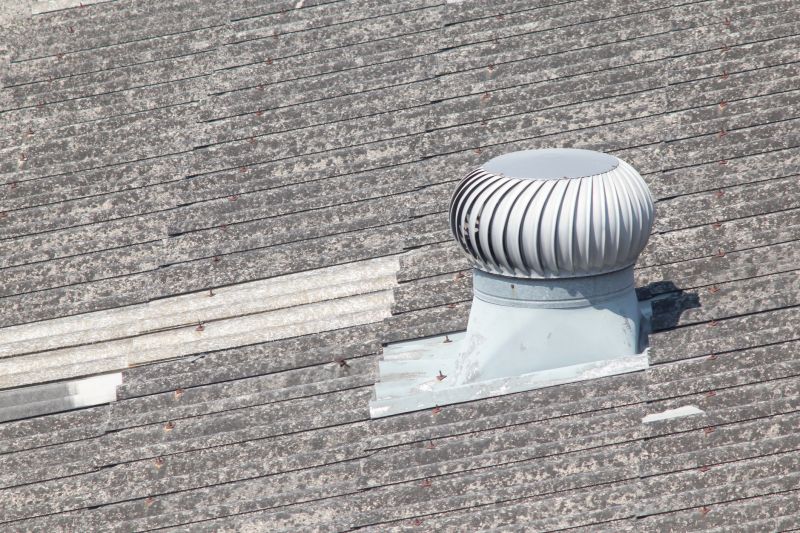
Roof ventilator repair services address issues with the mechanical systems designed to promote airflow and ventilation in the attic and roof space. These repairs typically involve fixing or replacing damaged or malfunctioning roof vents, including ridge vents, turbine vents, soffit vents, and powered attic fans. Property owners often seek this service when experiencing increased energy costs, excessive attic heat, or signs of moisture buildup, such as mold or water stains, which can indicate ventilation problems that need attention.
Before requesting roof ventilator repairs, homeowners should understand the specific type of vent system installed on their property and be prepared to share details about any recent weather events, unusual noises, or visible damage. It’s also helpful to know if there are any persistent issues like leaks or drafts around the vents. Proper diagnosis and repair can help maintain attic health, improve energy efficiency, and prevent further damage to the roof structure.
Many property owners in Provo, UT look into Roof Ventilator Repair for repairs, replacements, upgrades, and appearance-related improvements.
Signs Of Ventilator Issues
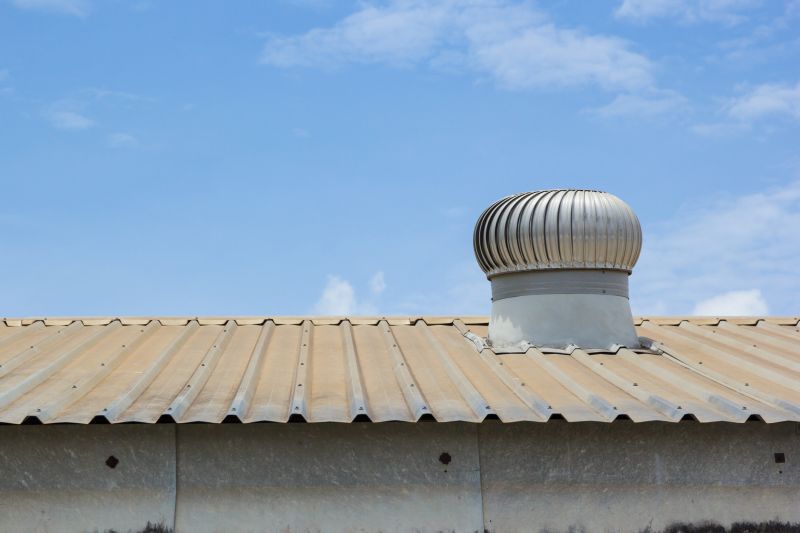
Unusual noises or poor airflow can indicate a ventilation system needs repair.
Common Repair Needs
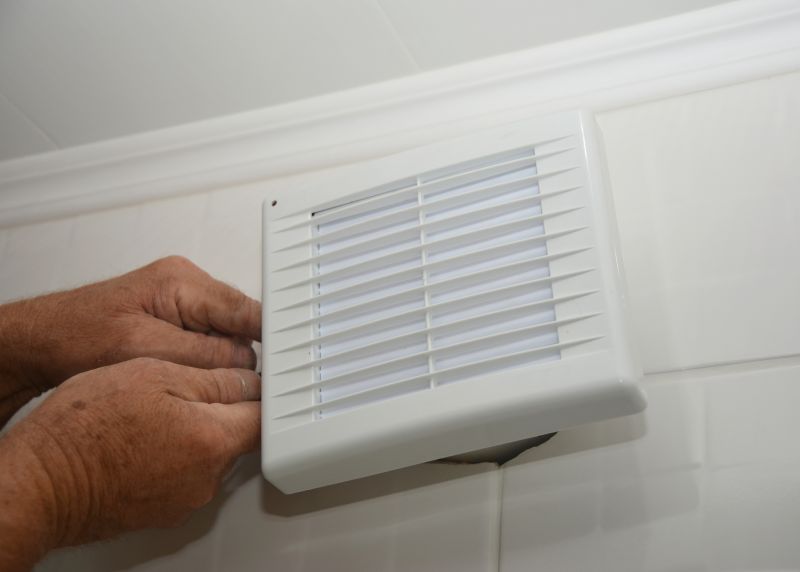
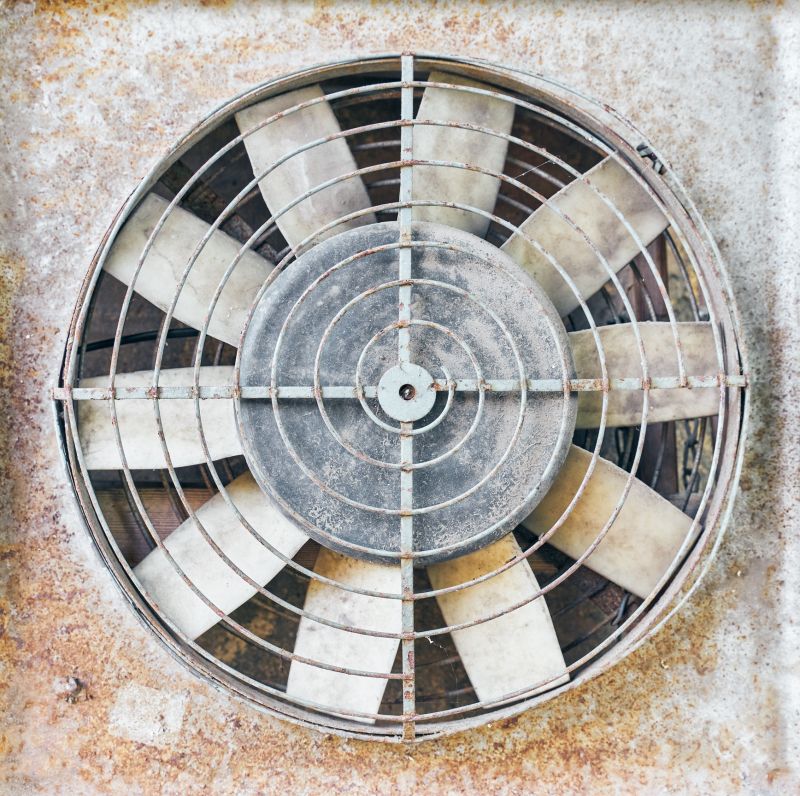
Replacing broken blades, fixing electrical components, or sealing leaks are typical repair tasks.
Benefits Of Proper Ventilation
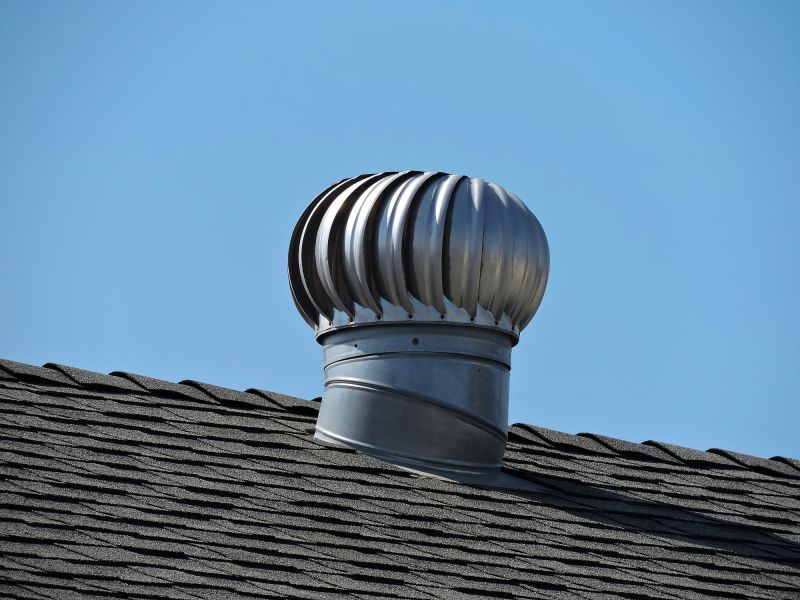
Effective roof ventilators help prevent moisture buildup and improve attic air circulation in homes around provo, ut.
Roof Ventilator Repair in Provo, UT
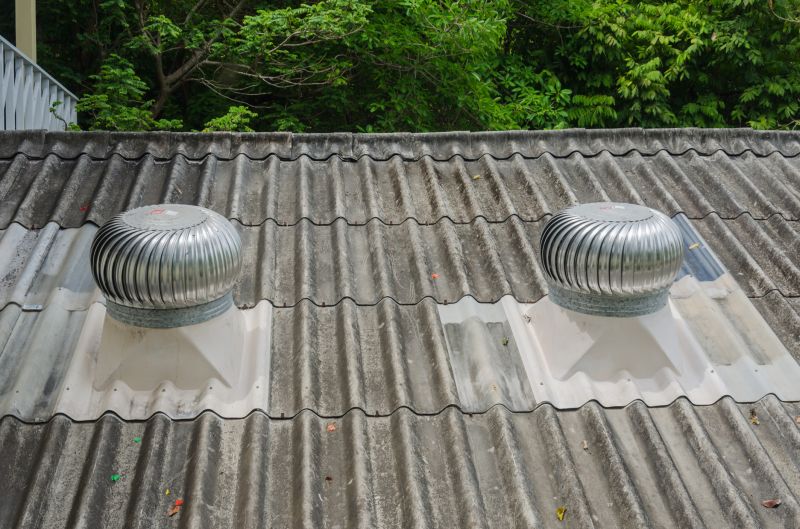
Roof ventilator repair services address issues with the mechanical systems designed to promote airflow and ventilation in the attic and roof space. These repairs typically involve fixing or replacing damaged or malfunctioning roof vents, including ridge vents, turbine vents, soffit vents, and powered attic fans. Property owners often seek this service when experiencing increased energy costs, excessive attic heat, or signs of moisture buildup, such as mold or water stains, which can indicate ventilation problems that need attention.
Before requesting roof ventilator repairs, homeowners should understand the specific type of vent system installed on their property and be prepared to share details about any recent weather events, unusual noises, or visible damage. It’s also helpful to know if there are any persistent issues like leaks or drafts around the vents. Proper diagnosis and repair can help maintain attic health, improve energy efficiency, and prevent further damage to the roof structure.
Many property owners in Provo, UT look into Roof Ventilator Repair for repairs, replacements, upgrades, and appearance-related improvements.
Common Roof Ventilator Repair Jobs
Roof Ventilator Repair - Restores proper airflow to prevent moisture buildup and mold growth.
Roof Ventilator Replacement - Upgrades outdated or damaged vents to improve attic ventilation.
Ventilation System Inspection - Identifies issues with roof vents that may cause energy loss or damage.
Leak Repair for Roof Vents - Seals leaks to prevent water intrusion and structural damage.
Damaged Vent Repair - Fixes broken or bent vents to ensure effective attic ventilation.
Routine Vent Maintenance - Keeps roof vents clear of debris and functioning properly over time.
Roof Ventilator Repair Questions
What are common signs of a roof ventilator needing repair? Signs include unusual noises, poor airflow, or increased energy costs indicating ventilation issues.
Why is proper roof ventilation important? Proper ventilation helps regulate indoor temperature, reduces moisture buildup, and prevents roof damage.
What types of roof ventilator repairs are typically performed? Repairs often involve replacing damaged blades, fixing motor issues, or sealing leaks around the vent.
How can property owners prevent roof ventilator problems? Regular inspections and timely maintenance can help identify issues before they become major repairs.
Request Roof Ventilator Repair in Provo, UT
Use the quote form on this page to share the basics of your project and request more information for the type of work you need.